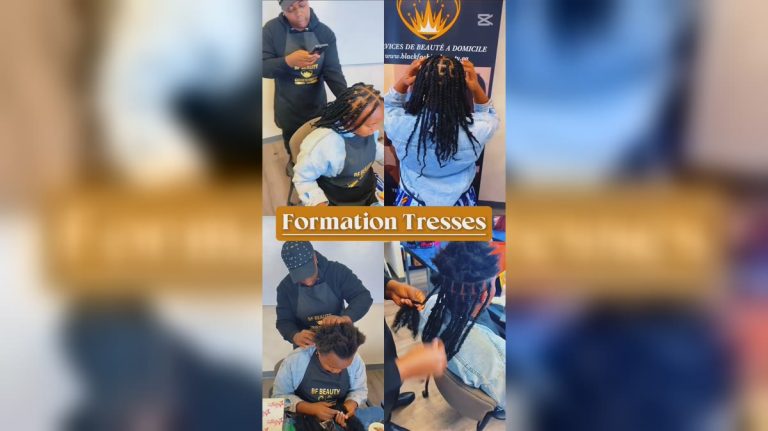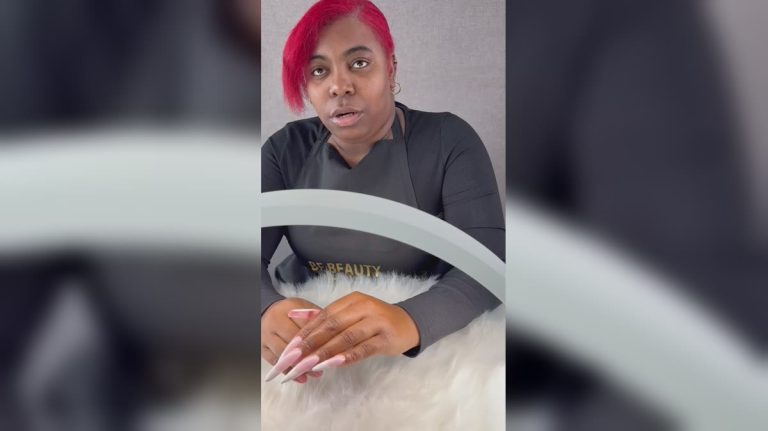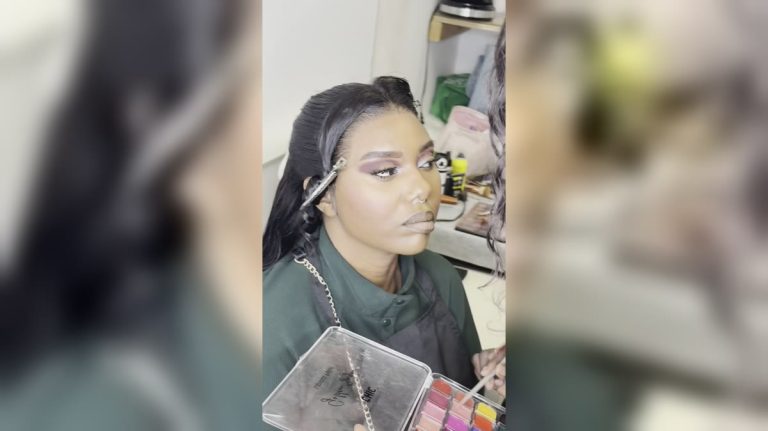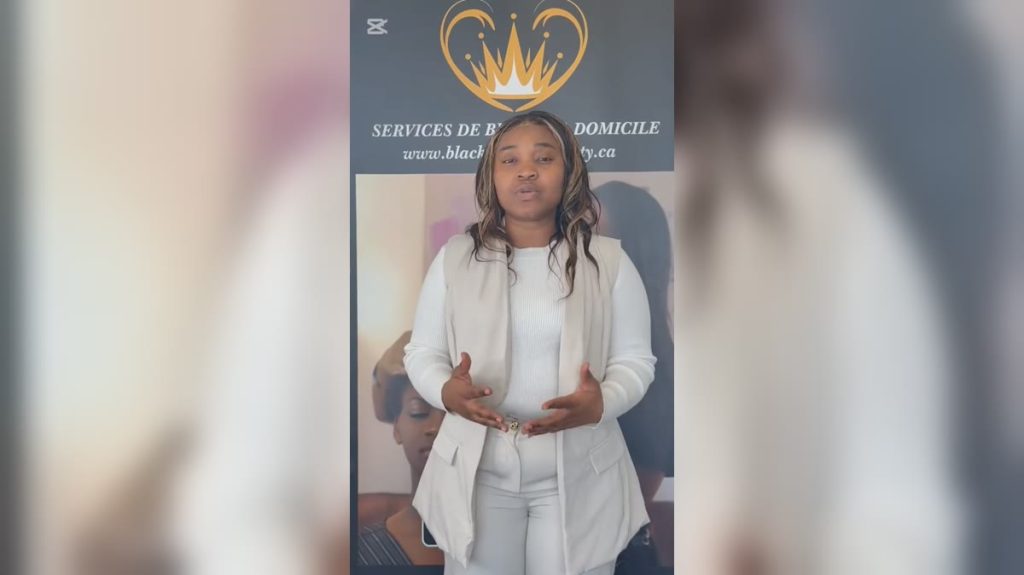
To become a professional braider in Montreal, you need three things: a solid understanding of textured hair and scalp care, a set of core techniques you can repeat cleanly (cornrows, box braids, knotless, twists), and enough supervised practice to work safely and steadily on real clients. Then comes the business side: pricing by style, a portfolio and a way for clients to book you. Here is the path, step by step.
Step 1: understand the hair before you braid it
Afro and textured hair ranges from loose curls (3A) to tight coils (4C). The tighter the curl, the more the hair tangles and dries out, and the more fragile it is at each bend. A professional braider learns to:
- read the curl pattern and the condition of the hair;
- check the scalp and the hairline, which are the most fragile areas;
- wash, condition and detangle without breakage;
- choose and prepare braiding hair, and prevent skin reactions to some fibres.
Step 2: master the core techniques
| Technique | What it teaches you |
|---|---|
| Cornrows (straight, then patterns) | Braiding flat to the scalp along a clean line |
| Box braids (small, medium, large) | Even parts and consistency across the whole head |
| Knotless and feed-in braids | Adding hair gradually for a light, natural start |
| Twists (Senegalese, passion, spring) | Two-strand technique and finishing |
| Updos and braided crowns | Design, symmetry and event styling |
The golden rule throughout: braid without tension. Tight braids hurt, irritate the scalp and can damage the hairline. A secure braid comes from technique, not from pulling.
Step 3: practise, then build speed
Start on a mannequin head to repeat the same gesture many times, then move to real models to learn comfort, posture and pacing. Speed comes last. At the end of our training, a beginner usually needs 6 to 8 hours for a full set of box braids; with regular practice, that time typically drops to 4 to 5 hours. Prepping your braiding hair in advance and organising your station make a real difference.
Step 4: set up your work
- Where you work: from home, at your clients’ homes, or renting a chair in a salon.
- Your kit: combs and rat-tail combs, clips, braiding hair in several textures, edge and finishing products, a mannequin head for practice.
- Hygiene: clean and disinfect combs and clips between clients, and never reuse opened hair or products from one client to the next.
- Pricing: price each style by its real time and the hair you supply, and take a deposit for long appointments.
Step 5: find your first clients
- photograph every style from the back, the sides and close up on the parts, with your client’s permission;
- post regularly on Instagram and TikTok, where braiding clients look for inspiration;
- make booking easy: a clear price list, a booking link and quick replies;
- look after every client: a happy client brings friends and family.
Train as a braider in Montreal
Our African and American braiding training in Montreal follows this path in five modules: Afro hair anatomy, flat braids (box braids, cornrows, Ghana and goddess braids), loose styles (knotless, passion and spring twists, feed-in braids), advanced styles (braided updos and crowns, African bridal hair), and client management.
- 1 day (4 to 5 hours, $1,000) or 4 days (20 hours, $2,000), plus taxes;
- all materials provided on site (professional braiding kit, Kanekalon and Marley braiding hair, a practice mannequin head and an illustrated style guide;
- 70% hands-on practice, in weekday, evening or weekend groups, in English or French;
- a new session on the first Monday of every month: see the 2026 start dates.
To add more services, look at our sew-in extensions training.
Frequently asked questions
Do I need experience to start?
No. Our braiding program welcomes complete beginners as well as stylists who want to add braiding to their services.
How long does it take to learn braiding?
You learn the basics in one day. The 4-day program covers about a dozen styles and lets you complete full styles on models. Speed then comes with regular practice.
Is braiding hair included?
Yes. Braiding hair is provided during the course; a learning kit is also available as an option (price on request), with several packs of Kanekalon and Marley braiding hair, plus parting tools, clips and finishing products.
American & African Braids program: all the details
Get the details by email📍 Find Us — BF Beauty Training Academy
Location
350 Rue de Louvain O
Montréal, QC H2N 2E8
Public Transit
Crémazie or Henri-Bourassa metro (orange line)
Parking available nearby
Contact Us